There’s nothing quite like the crippling dread that comes with an anxiety disorder. There’s an almost unexplainable fear that something truly terrible is just around the corner, and your whole body reacts. No one else seems afraid, which makes it worse somehow. Why can’t they see the danger?
Quite a few horror films over the years have tackled anxiety disorders through various metaphors. However, this year we got two very unique takes in The Monkey and Final Destination: Bloodlines. Both films deal heavily with inherited trauma, mental illness, anxiety, and agoraphobia, but in wildly different ways. Both ask us to follow protagonists for whom the danger is very real, but the world sees them as mentally unwell. I know all too well that it feels like to question my own reality and fear the ghosts in my family tree, so it was fascinating to see both of these stories in the same year.
It’s funny because The Monkey and Final Destination: Bloodlines are fairly silly films with horror-comedy elements that rely on their elaborate death tableaus, but they both struck a chord in me because of how they handled these complex themes.
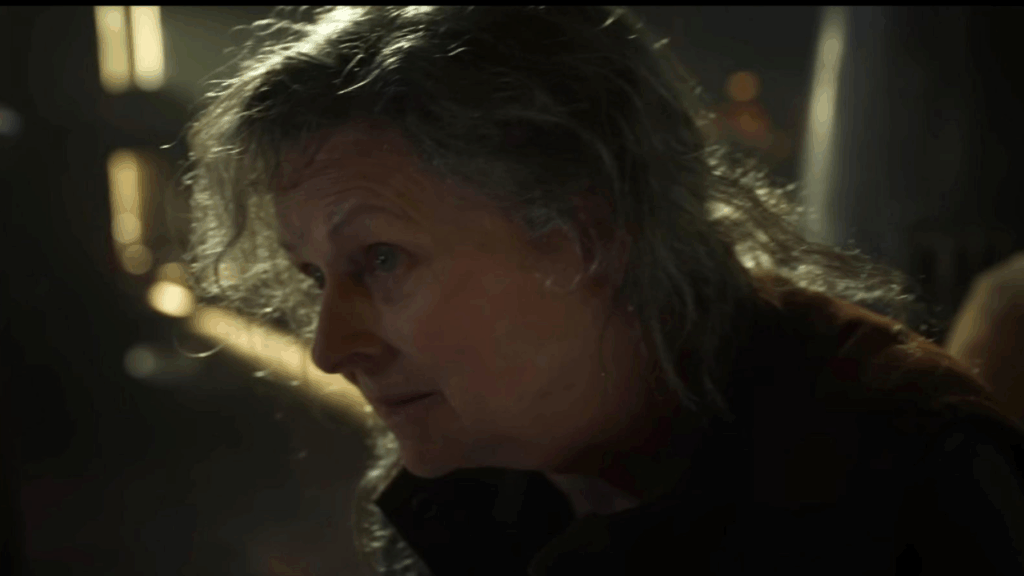
Final Destination: Bloodlines nails agoraphobia
The Final Destination franchise has always been one of my favorites because it so accurately depicts what it feels like to have generalized anxiety and be afraid of everything, but Bloodlines took it to another level. Other than Ali Larter’s character living in a padded room in Final Destination 2, most of the characters have just tried to cheat Death or avoid their curses. In Bloodlines, we get the origin of the whole “Death got cheated and is taking people out” thing. However, we also get to see someone whose entire life revolves around keeping Death at bay.
The character of Iris Campbell (Gabrielle Rose) is the woman who first cheated Death, and she’s constantly aware of opportunities for the Grim Reaper to take her out. Her booby-trapped house and careful considerations might seem silly in a real world context but feel genuine to someone who is that afraid all the time.
I first developed agoraphobia when I was 12 years old, and it made leaving the house nearly impossible. Like Iris, I saw potential disaster everywhere, though mine was caused by an overactive imagination and not an actual Rube Goldbergian deathtrap waiting to happen. Hiding from the world has always felt easiest, and that’s what Iris does. Her fears and actions felt deeply relatable to anyone who has ever faced crushing anxiety, and her desire to protect her family through distance was just as understandable.
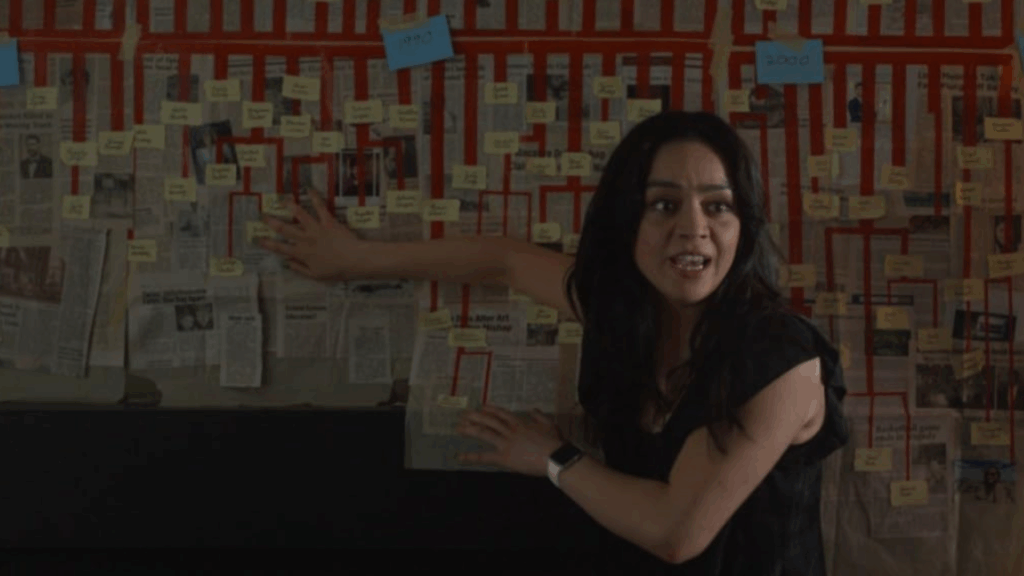
Hereditary curses make a great metaphor for mental illness
In Final Destination: Bloodlines, Iris takes great lengths to distance herself from her family in order to protect them. She’s booby-trapped not only her home, but her heart, keeping them at bay because she feels like proximity puts them in danger. It’s easy to sympathize with someone who knows their anxieties can make them radioactive, who pushes their loved ones away for fear of hurting them.
Not only that, but the bloodlines in Bloodlines aren’t metaphorical, as the Death curse passes down to Iris’s children and grandchildren. While some of them ignore her warnings, her granddaughter Stefani (Kaitlyn Santa Juana) understands. They speak the same anxious language, to the chagrin of the rest of the family.
The metaphors in Bloodlines are deftly handled with a surprising amount of subtlety for a franchise best known for logs crashing through cars and locked tanning beds. Both Iris and Stefani are incredible representations of living with an anxiety disorder, but The Monkey takes its exploration of inherited trauma one step farther.
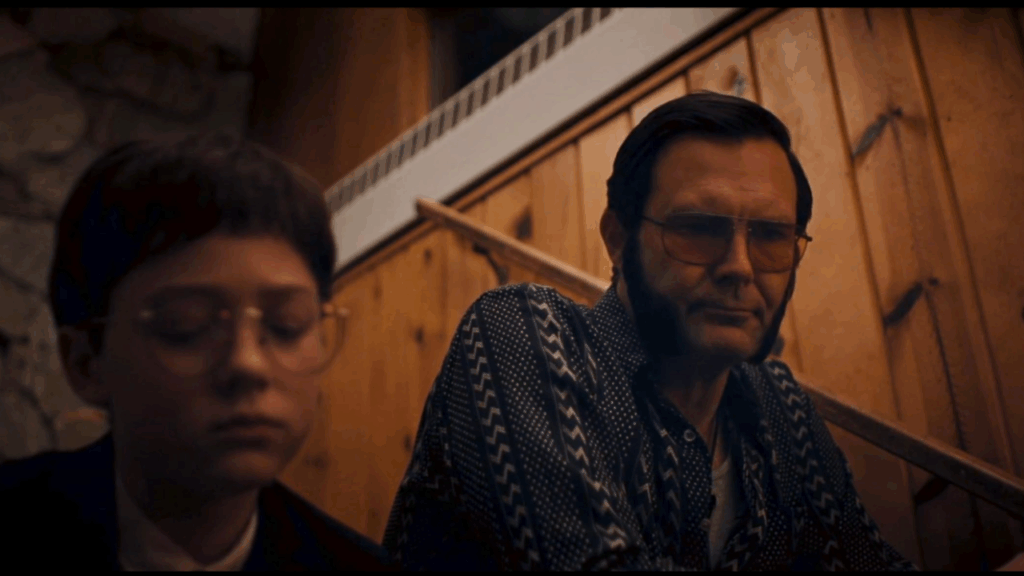
The Monkey’s director understands grief intimately
In The Monkey, a wind-up toy monkey has the ability to kill, taking out nearby victims with elaborate death traps that mirror those in Final Destination. Where it differs, however, is that someone has to turn the key on the monkey’s back in order for it to activate. Young Hal is so tired of being bullied by his twin brother that he tries to use the monkey to take him out, but their mom dies instead, kicking off the events of the film.
The Monkey could easily be a dour meditation on grief, but director Oz Perkins had a different take because of his own experiences with loss, telling Empire Magazine:
“The thing with this toy monkey is that the people around it all die in insane ways. So, I thought: ‘Well, I’m an expert on that.’ Both my parents died in insane, headline-making ways. I spent a lot of my life recovering from tragedy, feeling quite bad. It all seemed inherently unfair. You personalize the grief: ‘Why is this happening to me?’ But I’m older now and you realize this shit happens to everyone. Everyone dies. Sometimes in their sleep, sometimes in truly insane ways, like I experienced. But everyone dies. And I thought maybe the best way to approach that insane notion is with a smile.”
Perkins’ father Anthony died of AIDS in 1992 and his mother Berry was on one of the planes that crashed into the Twin Towers during the 9/11 attacks. So, he truly knows a few things about personal tragedy and feeling cursed. In The Monkey, however, Hal’s greatest fear is passing down the curse to his son Petey (Colin O’Brien).
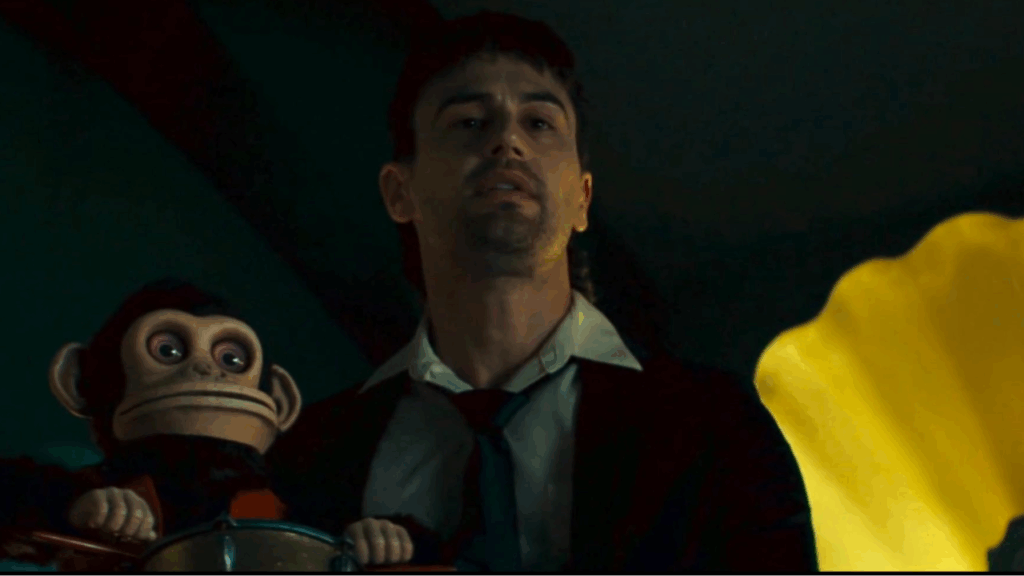
The Monkey’s depiction of inherited trauma works
Each of the twins in The Monkey handles their family curse in a different way. Hal tries to live a normal life as best he can, but he’s also completely alienated himself from Petey because he’s so afraid of the Monkey getting him. Meanwhile, his brother Bill literally tries to control the monkey and death itself. Both are an attempt at having control over chaos, though Hal’s is definitely more altruistic.
The Monkey goes a bit overboard in places and third-act Bill is bonkers beyond being representative of anything real, but it’s also a fascinating look into how we handle loss and trauma. Hal is so afraid of the family curse hurting his son that he forgoes a real relationship with him, just like Iris locks herself away in her booby-trapped cabin. Both want to protect themselves, but they want to protect their loved ones even more. Even if that means losing out on being with them, which is absolutely brutal.
Part of the reason I don’t have kids of my own is because I didn’t want to pass on my mental illness or make my kids put up with my issues. The Monkey and Final Destination: Bloodlines both show me what those fears really look like, and make it easier to explain to others. Mental illness may not be as scary as the actual grim reaper or a creepy murder monkey, but it’s a terror that many of us live with every day. It’s kind of odd feeling so seen by two of the sillier horror movies to come out this year, but when a metaphor works, it works.
The Anxiety of ‘The Monkey’ and ‘Final Destination: Bloodlines’
There’s nothing quite like the crippling dread that comes with an anxiety disorder. There’s an almost unexplainable fear that something truly terrible is just around the corner, and your whole body reacts. No one else seems afraid, which makes it worse somehow. Why can’t they see the danger?
Quite a few horror films over the years have tackled anxiety disorders through various metaphors. However, this year we got two very unique takes in The Monkey and Final Destination: Bloodlines. Both films deal heavily with inherited trauma, mental illness, anxiety, and agoraphobia, but in wildly different ways. Both ask us to follow protagonists for whom the danger is very real, but the world sees them as mentally unwell. I know all too well that it feels like to question my own reality and fear the ghosts in my family tree, so it was fascinating to see both of these stories in the same year.
It’s funny because The Monkey and Final Destination: Bloodlines are fairly silly films with horror-comedy elements that rely on their elaborate death tableaus, but they both struck a chord in me because of how they handled these complex themes.
Final Destination: Bloodlines nails agoraphobia
The Final Destination franchise has always been one of my favorites because it so accurately depicts what it feels like to have generalized anxiety and be afraid of everything, but Bloodlines took it to another level. Other than Ali Larter’s character living in a padded room in Final Destination 2, most of the characters have just tried to cheat Death or avoid their curses. In Bloodlines, we get the origin of the whole “Death got cheated and is taking people out” thing. However, we also get to see someone whose entire life revolves around keeping Death at bay.
The character of Iris Campbell (Gabrielle Rose) is the woman who first cheated Death, and she’s constantly aware of opportunities for the Grim Reaper to take her out. Her booby-trapped house and careful considerations might seem silly in a real world context but feel genuine to someone who is that afraid all the time.
I first developed agoraphobia when I was 12 years old, and it made leaving the house nearly impossible. Like Iris, I saw potential disaster everywhere, though mine was caused by an overactive imagination and not an actual Rube Goldbergian deathtrap waiting to happen. Hiding from the world has always felt easiest, and that’s what Iris does. Her fears and actions felt deeply relatable to anyone who has ever faced crushing anxiety, and her desire to protect her family through distance was just as understandable.
Hereditary curses make a great metaphor for mental illness
In Final Destination: Bloodlines, Iris takes great lengths to distance herself from her family in order to protect them. She’s booby-trapped not only her home, but her heart, keeping them at bay because she feels like proximity puts them in danger. It’s easy to sympathize with someone who knows their anxieties can make them radioactive, who pushes their loved ones away for fear of hurting them.
Not only that, but the bloodlines in Bloodlines aren’t metaphorical, as the Death curse passes down to Iris’s children and grandchildren. While some of them ignore her warnings, her granddaughter Stefani (Kaitlyn Santa Juana) understands. They speak the same anxious language, to the chagrin of the rest of the family.
The metaphors in Bloodlines are deftly handled with a surprising amount of subtlety for a franchise best known for logs crashing through cars and locked tanning beds. Both Iris and Stefani are incredible representations of living with an anxiety disorder, but The Monkey takes its exploration of inherited trauma one step farther.
The Monkey’s director understands grief intimately
In The Monkey, a wind-up toy monkey has the ability to kill, taking out nearby victims with elaborate death traps that mirror those in Final Destination. Where it differs, however, is that someone has to turn the key on the monkey’s back in order for it to activate. Young Hal is so tired of being bullied by his twin brother that he tries to use the monkey to take him out, but their mom dies instead, kicking off the events of the film.
The Monkey could easily be a dour meditation on grief, but director Oz Perkins had a different take because of his own experiences with loss, telling Empire Magazine:
“The thing with this toy monkey is that the people around it all die in insane ways. So, I thought: ‘Well, I’m an expert on that.’ Both my parents died in insane, headline-making ways. I spent a lot of my life recovering from tragedy, feeling quite bad. It all seemed inherently unfair. You personalize the grief: ‘Why is this happening to me?’ But I’m older now and you realize this shit happens to everyone. Everyone dies. Sometimes in their sleep, sometimes in truly insane ways, like I experienced. But everyone dies. And I thought maybe the best way to approach that insane notion is with a smile.”
Perkins’ father Anthony died of AIDS in 1992 and his mother Berry was on one of the planes that crashed into the Twin Towers during the 9/11 attacks. So, he truly knows a few things about personal tragedy and feeling cursed. In The Monkey, however, Hal’s greatest fear is passing down the curse to his son Petey (Colin O’Brien).
The Monkey’s depiction of inherited trauma works
Each of the twins in The Monkey handles their family curse in a different way. Hal tries to live a normal life as best he can, but he’s also completely alienated himself from Petey because he’s so afraid of the Monkey getting him. Meanwhile, his brother Bill literally tries to control the monkey and death itself. Both are an attempt at having control over chaos, though Hal’s is definitely more altruistic.
The Monkey goes a bit overboard in places and third-act Bill is bonkers beyond being representative of anything real, but it’s also a fascinating look into how we handle loss and trauma. Hal is so afraid of the family curse hurting his son that he forgoes a real relationship with him, just like Iris locks herself away in her booby-trapped cabin. Both want to protect themselves, but they want to protect their loved ones even more. Even if that means losing out on being with them, which is absolutely brutal.
Part of the reason I don’t have kids of my own is because I didn’t want to pass on my mental illness or make my kids put up with my issues. The Monkey and Final Destination: Bloodlines both show me what those fears really look like, and make it easier to explain to others. Mental illness may not be as scary as the actual grim reaper or a creepy murder monkey, but it’s a terror that many of us live with every day. It’s kind of odd feeling so seen by two of the sillier horror movies to come out this year, but when a metaphor works, it works.
Danielle Ryan
more horror
The Overlook Film Festival 2025 Announces First Wave of Films
SCREAMBOAT // Life is But a Scream
The Night is Young // Swipe Right for a Bite
Swarm // Busy bees blur the line between fact and fiction
Scary Movie (2026) Review // A Family Reunion You Can’t Escape