Found footage horror should’ve burned out years ago. Shaky camera, panicked breathing, half-seen figures in the dark, and the “why are they still filming?” logic has all been mocked to death. And yet, this particular sub-genre of horror still works because it feels more immediate and invasive compared to other types of cinema-induced dread. Found footage simply turns the screen into evidence material and makes us all feel like unwilling witnesses.
Netflix, the world’s giant streaming service, currently has a few very strong examples of the form. They range from modern screen-life horror to stripped-down psycho-nightmares and supernatural curse films. The best of them prove that the found footage format still works due to the facts previously mentioned.
The Blair Witch Project
It remains an essential starting point for anyone entering the sub-genre. It’s about three student filmmakers entering the woods. They document a local legend tied to murders dating back 200 years, only for the project to collapse into confusion, paranoia, and terror. It’s a good example of horror in which the camera goes from being a tool of control to proof that the control has been lost.
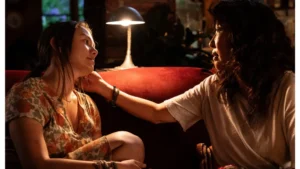
Creep
Creep takes the format in a much smaller and more intimate direction. Instead of the woods, demons, or ghosts, the fear comes from one man, one camera, and a very uncomfortable job. The job involves a videographer and a very strange client in a remote mountain town. The brilliance of this movie is how casual it feels, while its horror stems from social discomfort turning into a threat.
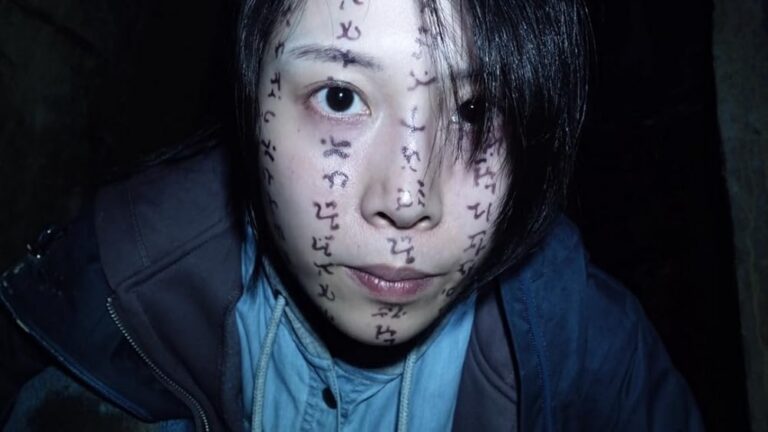
Incantation
A much more ritualistic and supernatural take is Incantation. The Taiwanese horror follows a mother trying to protect her daughter after breaking a religious taboo. The found footage format makes the audience implicated in the curse unfolding. We don’t get to silently watch things happen from our comfortable seats.
Host
Host brings horror to something more familiar, The movie is set during the pandemic lockdowns. It follows six friends who hire a medium for a virtual seance, only for the call to go horribly wrong. The movie uses modern digital life against us, turning lag, silence, and background shadows against the audience.
The reason why found footage movies continue to thrive, against all odds, is that they strip down the horror to perspective, sound, and uncertainty. Unlike other cinematic genres, it doesn’t need polish. Roughness is the point; the polish would only ruin the movie. And for the reason why it works, well, that’s because it makes the fear feel discovered, rather than staged.