No way! This is like The Exorcist.
With werewolf movies, there is an expectation to show certain types of scenes from the transformation to the kills. We hope to see victims being stalked and dragged into forests and being devoured with bloody emphasis. Yet, director Eriko Katagiri takes on the concept of werewolves and infuses it with Japanese lore to create a new type of werewolf story. One that she, quite magically, displays through a creative use of mediums and cinematography in her debut film, When You Open the Door.
A Lonely Existence
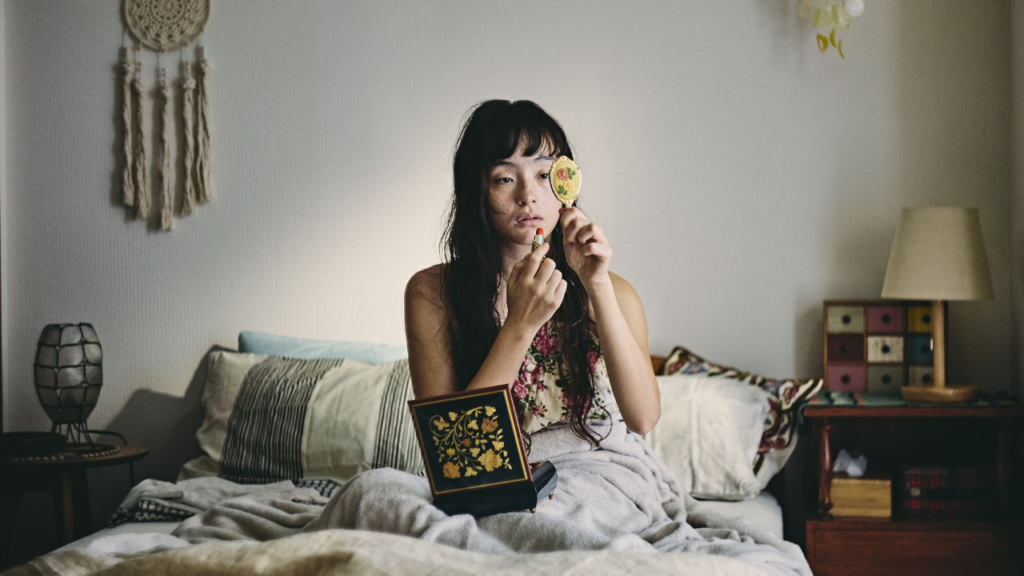
Katagiri is an artist behind the camera. She puts her characters on display as if she’s gathering an intimate audience to take part in what she’s made. Each scene is carefully curated, and it’s surprising that this is her first feature film. The film feels like a dreamy landscape you live in. There is a subtle, yet deliberate focus on how this world is shaped.
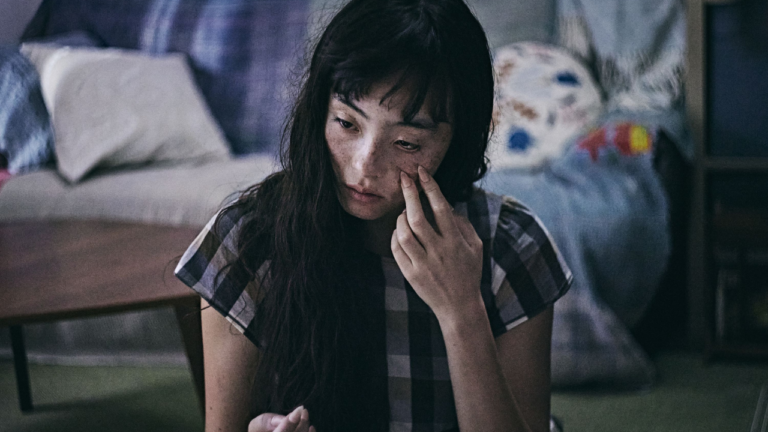
Spending time with Miki (Serena Motola) for much of the first half, it’s clear that she is lonely and closed off from those around her. Working in an architectural firm, she’s set herself apart from her coworkers, even those who try to connect with her. Or, after thinking about it, she doesn’t feel like she can connect with them. Miki’s quiet life is mundane and simple, though she desires more in her day-to-day. Her husband doesn’t seem to see her, and she only connects with the small bird she has for a pet.

A Different Type of Transformation
Miki is attacked by a wolf on her way back to work on her lunch break. But how can that be when wolves are extinct in Japan? No one believes her, but it doesn’t take long for Miki to feel the aftermath of what’s happened to her. Her husband takes her to a doctor who likens her experience to becoming possessed while dismissing her claims in the same breath by telling her she just needs more rest. When Miki receives an invitation to a commune, she meets a group of women who know exactly who and what she is. Here, Katagiri brings wolf folklore and the history of the itako (Japanese women known to be mediums) together. This is where the story falls somewhat flat for me. However, it doesn’t take long for things to pick back up as Miki starts to transform, inside and out.
As Miki’s nails grow long and black, her hair sheds in her apartment. She becomes more animalistic in her ways. Katagiri utilizes various mediums such as stop motion with dolls and using gummies instead of actual body parts, to create this warped reality that is reminiscent at times of Nobuhiko Obayashi’s House (1977). While it can feel a little disjointed at times, Katagiri regains her footing as we witness Miki’s final transformation into the woman she’s craved to be from the beginning.
Not Like Other Werewolves
Eriko Katagiri’s work is stunning. From the opening scene to the end, it’s clear that she understands worldbuilding and the craft of directing. Though her script is weak in some areas, the overall story is creative and strong enough to outweigh those shortcomings. Though a more dreamy, less blood-soaked approach to the werewolf subgenre, When You Open the Door is a fiercely beautiful reminder that not every werewolf story needs to be the same to leave a mark.