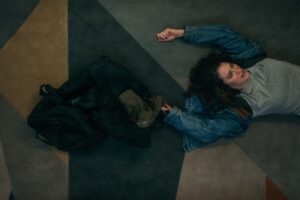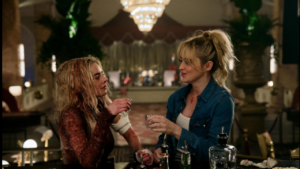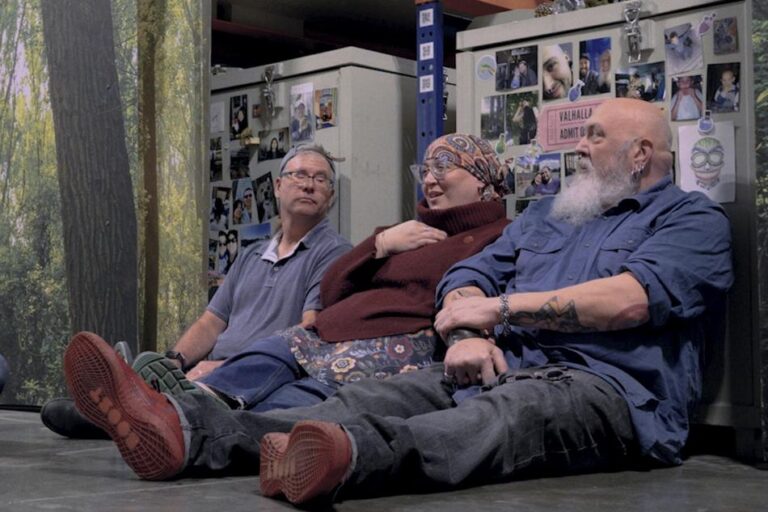
The Life We Leave is a peek into the death industry. The documentary made its debut at SXSW and delved into one specific form of death care known as terramation (aka human composting). We will all die one day. It’s something we in the horror community think about on a daily basis. While we may think of it for entertainment purposes, many of us are forced to confront it in our lives. Sometimes that may even be what attracted us to the genre in the first place.
My death, my body
While the documentary forces us to confront our own mortality, it also challenges our beliefs into what happens with our bodies after we die. The Life We Leave seeks to further the conversation beyond the traditional burial or cremation. As more options post death become available, we ask questions not just of ourselves, but of those providing the services. Why is terramation an option? Who is deciding to turn their loved ones or themselves into what is essentially human compost?
Like many of you, I have experienced tragedy in my life. Discussing death and honoring our deceased loved ones is nothing new in my culture. Because of this I don’t shy away from these conversations. However, admittedly as someone who considers myself death positive, terramation wasn’t on my radar. This documentary offers a fascinating look into the death industry and its resistance to change.
Redefining how we say goodbye
The Life We Leave follows Micah Truman as he seeks to change the death care landscape with a more environmentally friendly option. Terramation can be more affordable in some situations as well. Washington state was the first state to legalize human composting, with 14 states having legalized it by 2015. As Micah navigates the business of caring for the loved ones left behind, we see his emotional journey and its toll on not only him but his relationships as well.
Who is choosing terramation? Parents whose child died of SIDS. A young wife who lost her wife to cancer. A father and stepmom whose son died in his early 20s. Right now there is no real data on who is choosing human composting. There isn’t nearly enough data to accurately depict that. However, just purely from the profiles of those who Micah and his team have cared for, there is a wide demographic.
My son passed away three years ago. I chose to have him cremated. I knew that I always wanted a piece of him with me. Having watched The Life We Leave, I don’t know if I would have chosen terramation for him if it had been a real option for us. That being said, this documentary opens up the door to greater discussion. This in turn can lead to legislation that could offer more options. More options means greater freedom in death.
Dalia De Leon
I love horror because it's a comfort genre for me. I have many labels in life which means I'm busy but never too busy to pop a scary or genre flick on the tube to enjoy. In addition to life and writing for Horror Movie Blog, I am the former co-host to the late Nightmare on 5th Street: A horror movie podcast. May she rest in peace. You can find my reviews here on HMB and TheCherryPicks.com.