To any Italian, or more broadly, to any Italian speaker, the name giallo either brings to mind the bright, sunny color yellow, or any detective story, whether it’s written, filmed or performed. This is because in 1929, the famous printing company Mondadori decided to release detective stories, like the ones written by Agatha Christie or Arthur Conan Doyle, in a very memorable yellow cover. Meanwhile, English-speaking audiences typically use the term giallo—sometimes alongside expressions such as “spaghetti thriller” or “spaghetti slasher”—to refer specifically to the Italian thriller-horror films known in Italy as giallo all’italiana.
Leading the way
Filmmakers such as Mario Bava, Dario Argento, and Lucio Fulci were the preeminent leaders of this cinematic revolution in Italy. The Girl Who Knew Too Much (1963) by Bava, is considered the first example of the genre. With the arrival of the 1980s and the emergence in the United States of new approaches to thriller and horror filmmaking, the genre largely disappeared from the screens. However, it keeps living through new adaptations thanks to the homages that modern-day filmmakers decide to pay to this influential genre.
Multiple films show some sort of influence coming from giallo, in some cases relatively explicitly. For instance, Quentin Tarantino’s segment of Grindhouse incorporates parts of Ennio Morricone’s score for The Bird with the Crystal Plumage (1970), Dario Argento’s directorial debut. Today it’s regarded as a milestone of the giallo genre. In some other cases, the influence is more subtle, whether it’s visual or related to the plot.
Nicolas Winding Refn’s The Neon Demon (2016) has multiple reasons to be considered as a product inspired by giallo, not only visually, but also plot-wise. Giallo films frequently feature creative or media professionals such as writers, musicians, dancers, or journalists as their protagonists. For example, Deep Red follows a musician who becomes involved in a murder investigation. The Bird with the Crystal Plumage centres on a writer who witnesses an attempted killing. A similar structure appears in The Neon Demon, where the narrative follows Jesse, a young aspiring model. Jesse arrives in Los Angeles and becomes entangled in the dangerous dynamics of the fashion industry. The murders unveil the frail relationship in the show business. Doing so, even though, in giallo films, they’re often moved by personal traumas, rather than work setting, as it happens in Winding Refn’s work.
When color enters the plot
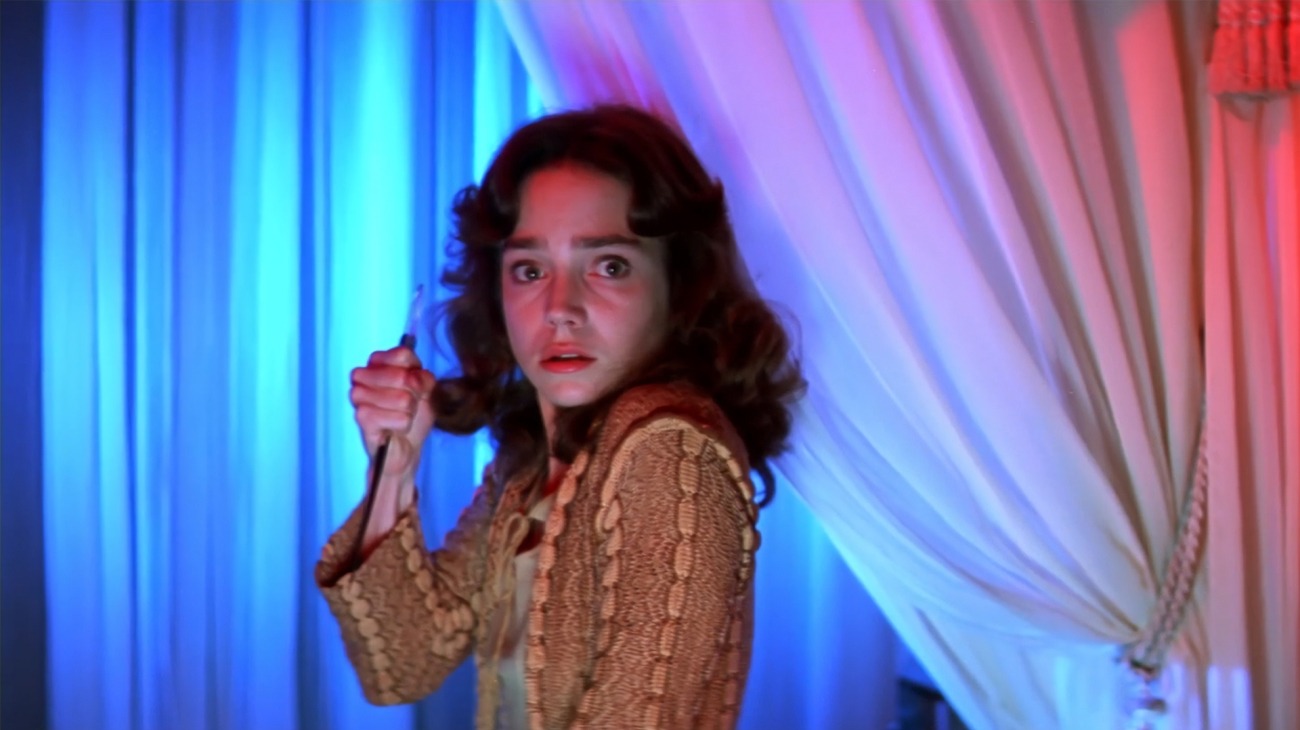
It should be noted that Blood and Black Lace, directed by Mario Bava, combines elements of the fashion industry with a murder mystery narrative. relying on neon lighting, deep shadows, and saturated colors to produce a similarly surreal visual experience. Suspiria, another Argento masterpiece, is famous for its use of vivid reds, blues, and greens that transform ordinary spaces into surreal environments.
This is also extremely present in The Neon Demon, from the very first opening scene. It can also be linked to Last Night in Soho, directed by Edgar Wright. It reflects this influence through its stylized depiction of 1960s London nightlife and fashion culture. Wright also uses its cinematography as a powerful tool in a similar way to giallo œuvres.
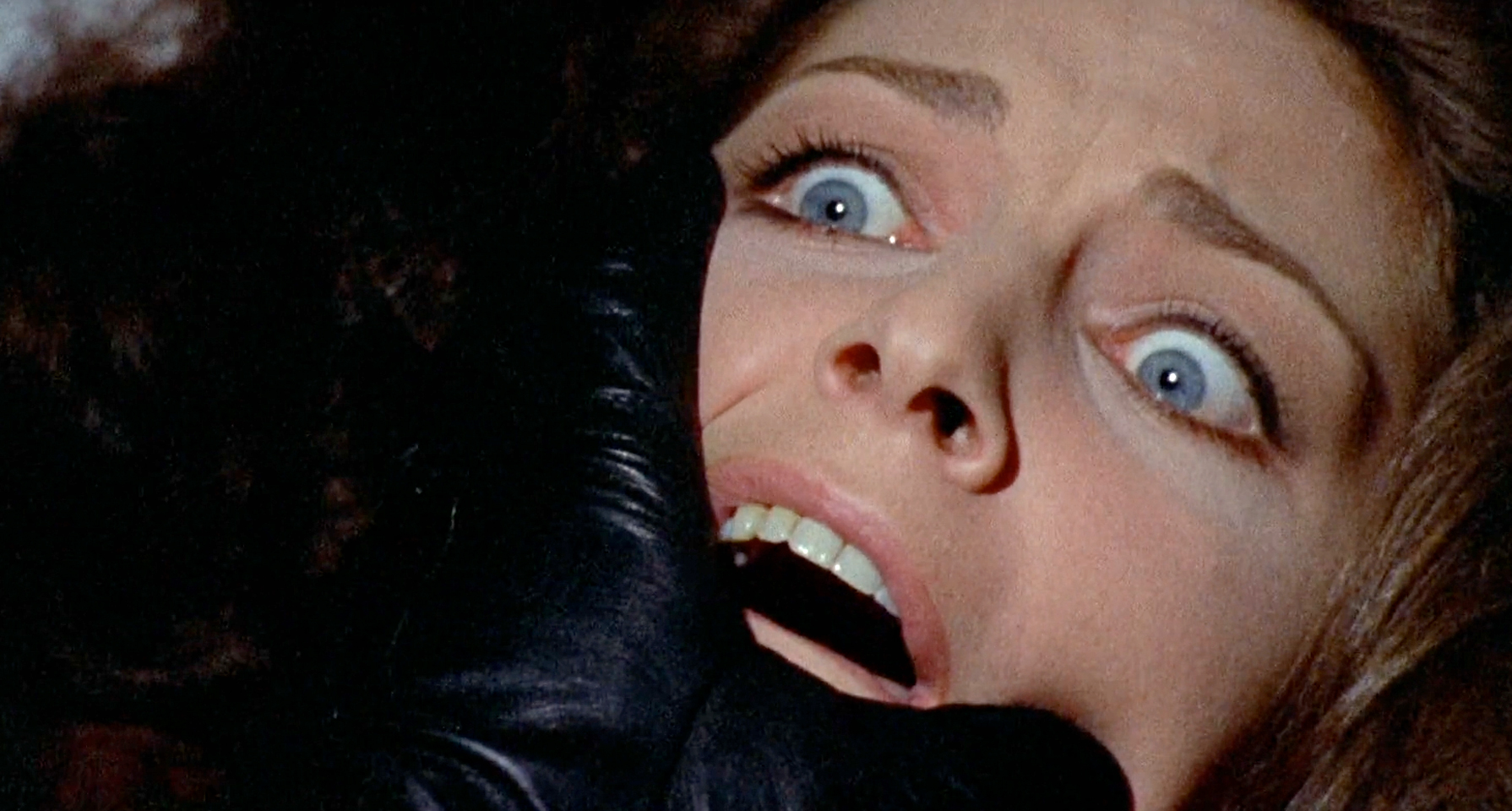
Giallo influenced the development of the slasher subgenre that became popular in the late twentieth century. Halloween, directed by John Carpenter, features a concept that’s present in the vast majority of giallo films. An enigmatic killer stalks their victims while the audience attempts to uncover their identity. The killer is often depicted wearing black leather gloves, emphasizing anonymity. Yet it also conveys a recognisable scary element through the usage of props. This tradition can also be spotted in Scream, directed by Wes Craven. The film uses the mystery of the killer’s identity as a central narrative device.
Another influential feature of giallo films is their use of subjective camera techniques. Intriguing angles place viewers directly into the perspective of the killer or victim. We notice it in more recent films like It Follows, or Black Swan (which uses the world of ballet, similarly to Suspiria). Directors frequently employ point-of-view shots, handheld camera movement, and sudden zooms to create a sense of voyeurism and psychological immersion. This makes the audience feel as though they are witnessing events firsthand.
Behind the camera
Finally, British film Berbarian Sound Studio is a proper reflection on the influence of Italian giallo. The film is set in a 1970s Italian horror film studio. Directed by Peter Strickland and starring Toby Jones, it focused on the production of a fictional horror film called The Equestrian Vortex. This allows the director to show a lot of the background production techniques of the genre. For instance, many of them were heavily dubbed after filming because their casts often spoke different languages. In fact, Italian directors preferred to cast British or American stars to attract more international audiences. Berbarian Sound Studio serves meta-commentary on giallo filmmaking. It is an unmissable watch for anyone who may be interested in finding out more about it.
Overall, one can argue that traditional horror films typically rely on plot or the presence of monsters to create fear. Giallo films demonstrate that horror could also be driven by psychological tension. In this approach, elements such as lighting, camera movement, and sound design become just as crucial as the storyline in generating suspense and unease. This stylistic emphasis has become increasingly influential in contemporary horror. This often makes it difficult to determine where the boundaries of its influence can be clearly drawn.
The Italian Influence // How Giallo Inspired Modern Horror Aesthetics
To any Italian, or more broadly, to any Italian speaker, the name giallo either brings to mind the bright, sunny color yellow, or any detective story, whether it’s written, filmed or performed. This is because in 1929, the famous printing company Mondadori decided to release detective stories, like the ones written by Agatha Christie or Arthur Conan Doyle, in a very memorable yellow cover. Meanwhile, English-speaking audiences typically use the term giallo—sometimes alongside expressions such as “spaghetti thriller” or “spaghetti slasher”—to refer specifically to the Italian thriller-horror films known in Italy as giallo all’italiana.
Leading the way
Filmmakers such as Mario Bava, Dario Argento, and Lucio Fulci were the preeminent leaders of this cinematic revolution in Italy. The Girl Who Knew Too Much (1963) by Bava, is considered the first example of the genre. With the arrival of the 1980s and the emergence in the United States of new approaches to thriller and horror filmmaking, the genre largely disappeared from the screens. However, it keeps living through new adaptations thanks to the homages that modern-day filmmakers decide to pay to this influential genre.
Multiple films show some sort of influence coming from giallo, in some cases relatively explicitly. For instance, Quentin Tarantino’s segment of Grindhouse incorporates parts of Ennio Morricone’s score for The Bird with the Crystal Plumage (1970), Dario Argento’s directorial debut. Today it’s regarded as a milestone of the giallo genre. In some other cases, the influence is more subtle, whether it’s visual or related to the plot.
Nicolas Winding Refn’s The Neon Demon (2016) has multiple reasons to be considered as a product inspired by giallo, not only visually, but also plot-wise. Giallo films frequently feature creative or media professionals such as writers, musicians, dancers, or journalists as their protagonists. For example, Deep Red follows a musician who becomes involved in a murder investigation. The Bird with the Crystal Plumage centres on a writer who witnesses an attempted killing. A similar structure appears in The Neon Demon, where the narrative follows Jesse, a young aspiring model. Jesse arrives in Los Angeles and becomes entangled in the dangerous dynamics of the fashion industry. The murders unveil the frail relationship in the show business. Doing so, even though, in giallo films, they’re often moved by personal traumas, rather than work setting, as it happens in Winding Refn’s work.
When color enters the plot
It should be noted that Blood and Black Lace, directed by Mario Bava, combines elements of the fashion industry with a murder mystery narrative. relying on neon lighting, deep shadows, and saturated colors to produce a similarly surreal visual experience. Suspiria, another Argento masterpiece, is famous for its use of vivid reds, blues, and greens that transform ordinary spaces into surreal environments.
This is also extremely present in The Neon Demon, from the very first opening scene. It can also be linked to Last Night in Soho, directed by Edgar Wright. It reflects this influence through its stylized depiction of 1960s London nightlife and fashion culture. Wright also uses its cinematography as a powerful tool in a similar way to giallo œuvres.
Giallo influenced the development of the slasher subgenre that became popular in the late twentieth century. Halloween, directed by John Carpenter, features a concept that’s present in the vast majority of giallo films. An enigmatic killer stalks their victims while the audience attempts to uncover their identity. The killer is often depicted wearing black leather gloves, emphasizing anonymity. Yet it also conveys a recognisable scary element through the usage of props. This tradition can also be spotted in Scream, directed by Wes Craven. The film uses the mystery of the killer’s identity as a central narrative device.
Another influential feature of giallo films is their use of subjective camera techniques. Intriguing angles place viewers directly into the perspective of the killer or victim. We notice it in more recent films like It Follows, or Black Swan (which uses the world of ballet, similarly to Suspiria). Directors frequently employ point-of-view shots, handheld camera movement, and sudden zooms to create a sense of voyeurism and psychological immersion. This makes the audience feel as though they are witnessing events firsthand.
Behind the camera
Finally, British film Berbarian Sound Studio is a proper reflection on the influence of Italian giallo. The film is set in a 1970s Italian horror film studio. Directed by Peter Strickland and starring Toby Jones, it focused on the production of a fictional horror film called The Equestrian Vortex. This allows the director to show a lot of the background production techniques of the genre. For instance, many of them were heavily dubbed after filming because their casts often spoke different languages. In fact, Italian directors preferred to cast British or American stars to attract more international audiences. Berbarian Sound Studio serves meta-commentary on giallo filmmaking. It is an unmissable watch for anyone who may be interested in finding out more about it.
Overall, one can argue that traditional horror films typically rely on plot or the presence of monsters to create fear. Giallo films demonstrate that horror could also be driven by psychological tension. In this approach, elements such as lighting, camera movement, and sound design become just as crucial as the storyline in generating suspense and unease. This stylistic emphasis has become increasingly influential in contemporary horror. This often makes it difficult to determine where the boundaries of its influence can be clearly drawn.
Veronica Orciari
more horror
Daddy’s Head // A Creepy Sci-Fi Nightmare : 2024 Fantastic Fest Review
The Piano Lesson // Black History Is Black Horror : London Film Festival 2024
birth/rebirth // A Feminine take on the Frankenstein story
Welcome To Hell!
What’s Your Favorite Scary Movie?: Jessie Seitz Edition